



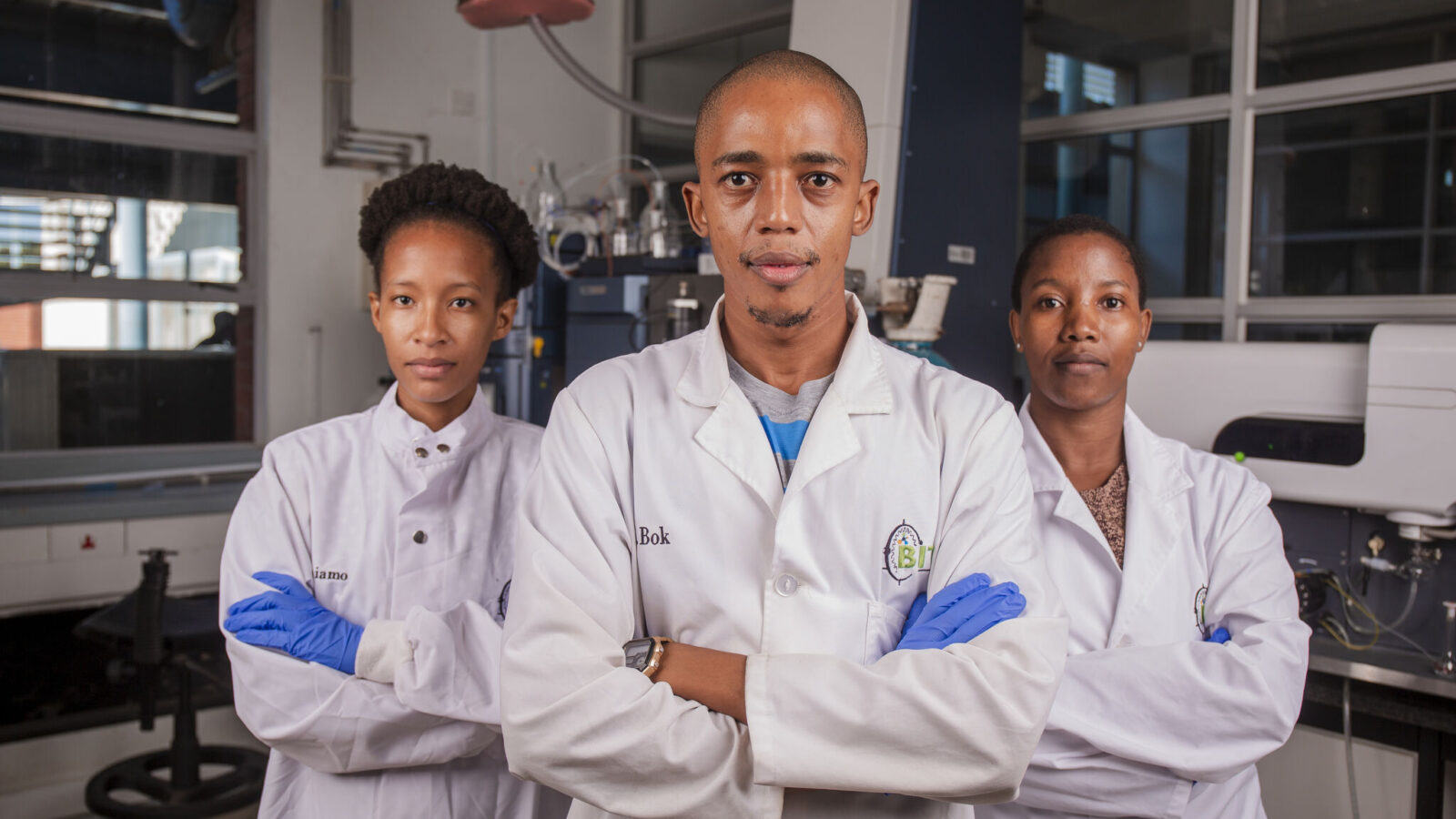
A research result can be scientifically interesting and still never become something a person, company or government department can use. Between an idea and a working solution lies a difficult middle ground: design, prototyping, testing, manufacturing, user feedback, cost, maintenance and adoption.
BITRI—the Botswana Institute for Technology Research and Innovation—was created to work in that space. Its stated mission centres on needs-based technology research: developing sustainable solutions around national priorities rather than treating research output as the endpoint.
The short version
Applied research begins with a problem and works toward something usable. Success is not only a paper or prototype; it is a solution that performs reliably, fits the user's context and can survive outside the laboratory.
The valley between an idea and a product
Many innovations fail in the gap between proof-of-concept and everyday use. A prototype may work in controlled conditions but be too expensive, difficult to repair, poorly matched to user behaviour or impossible to manufacture at scale.
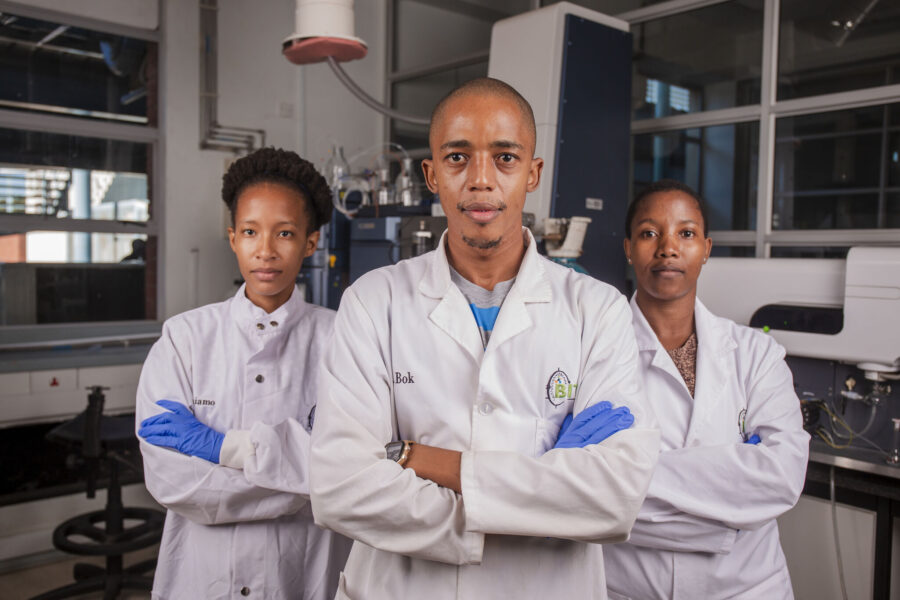
BITRI's design and prototyping work explicitly addresses this transition, offering product design, prototyping, fabrication, assembly and production support. That is important because engineering is iterative: build, test, discover a weakness, redesign and test again.
Start with the problem, not the technology
Dr Sebusang Enele Sebusang, BITRI's Chief Executive Officer, has described an approach built around practical, locally relevant technology solutions and stronger demand from users. This reverses a common innovation mistake: starting with an exciting technology and searching afterwards for a reason to use it.
A better question is: whose problem is this, and what would a successful solution need to do in that person's actual environment? That may change the design completely.
A familiar example: the difference between a prototype and a tool
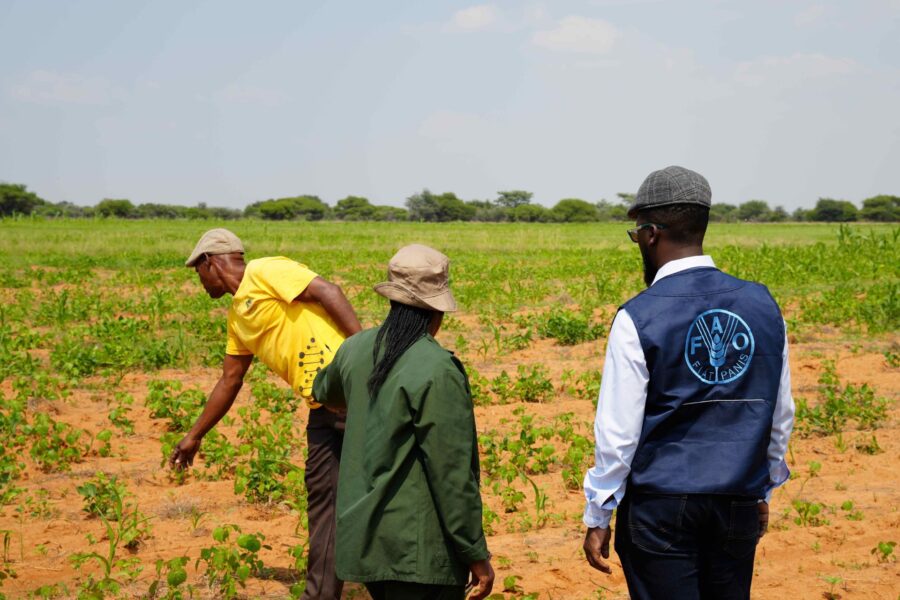
Imagine a new irrigation controller that works perfectly on a research bench. For a farmer, different questions matter. Can it survive dust and heat? Is power reliable? Can replacement parts be found? Is the interface understandable? Does the saving justify the price?
Those questions are not distractions from research. They are part of applied research because they determine whether a technology creates value.
Applied research spans very different sectors
BITRI currently presents work in areas including clean energy, information systems, digital transformation, materials and product development. Its energy research includes solar, wind, hydrogen, battery development, energy efficiency and resource mapping, while its information-systems work includes software development, systems integration and applied emerging technologies.
The common thread is not the sector. It is the attempt to move knowledge toward deployment.
The hardest metric is adoption
Research organisations often count projects, prototypes, patents or publications. Those measures are useful, but applied innovation eventually faces a tougher question: is anyone using the solution, and is it producing the intended benefit?
That requires partnerships with government, industry and communities early enough that users influence the research rather than receiving a finished product at the end.
What happens next
Botswana's innovation challenge is not simply to generate more ideas. It is to become better at moving promising ideas through testing, design and deployment until they solve real problems.
The future of applied research will therefore be judged in two places: the laboratory, where a solution must be technically credible, and the real world, where it must prove useful.
Sources & further reading
- BITRI — About UsMandate, mission and needs-based research approach.
- BITRI — Dr Sebusang Enele SebusangCEO profile and applied-research strategy.
- BITRI — Design, Prototyping, Manufacture & ProductionProduct design and prototyping capabilities.
- BITRI — Energy DivisionApplied energy R&D examples.