

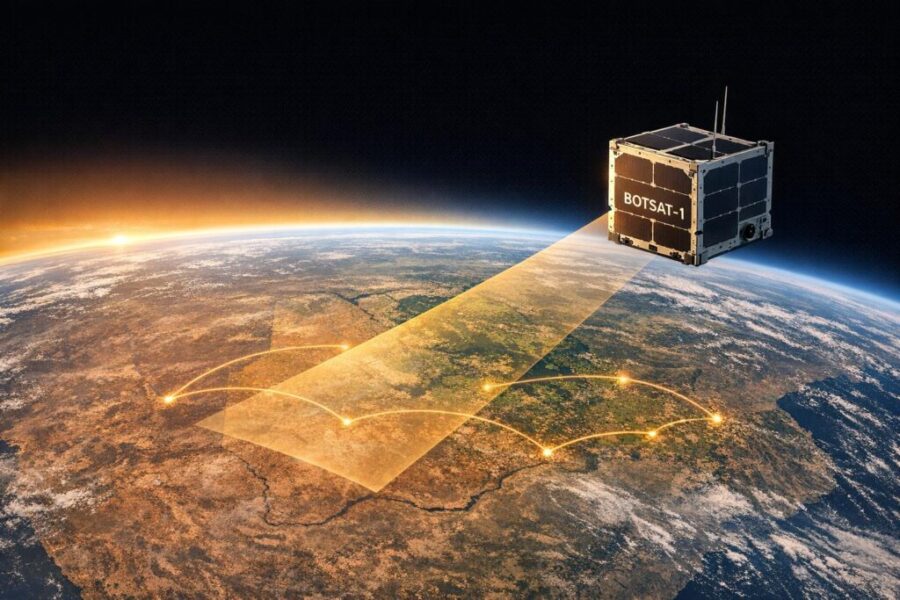
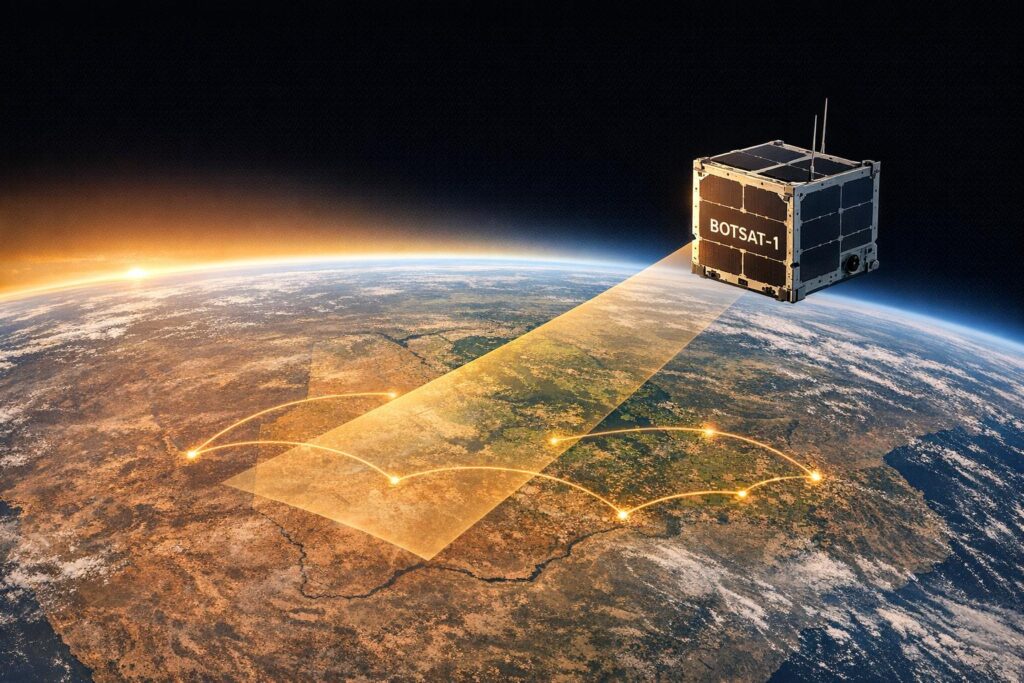
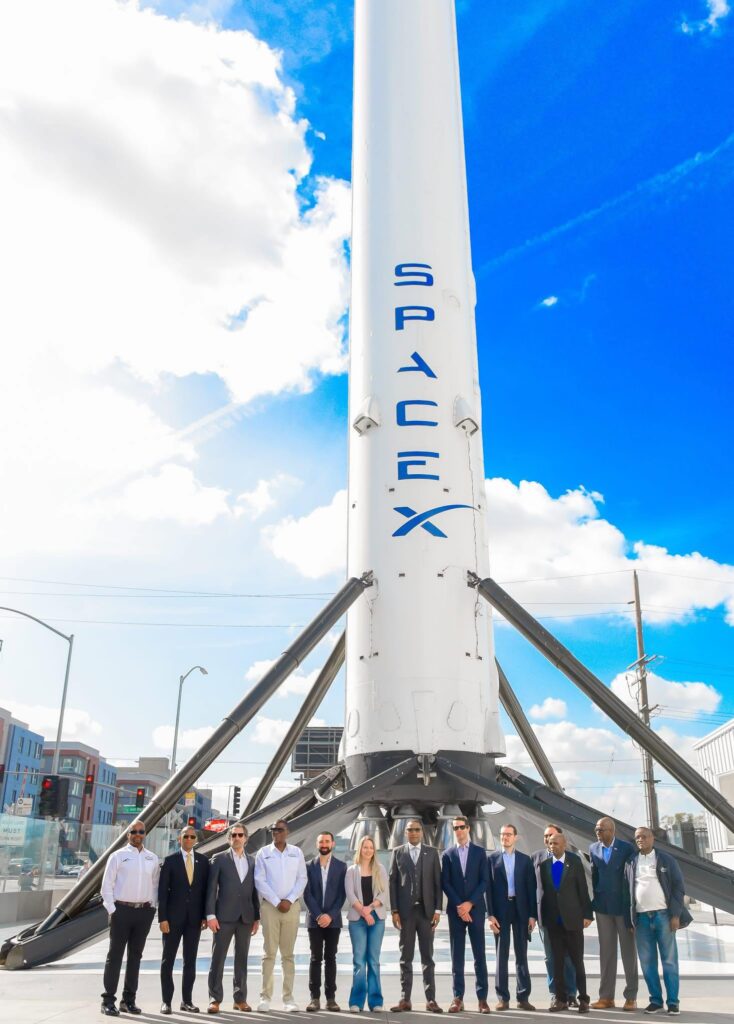
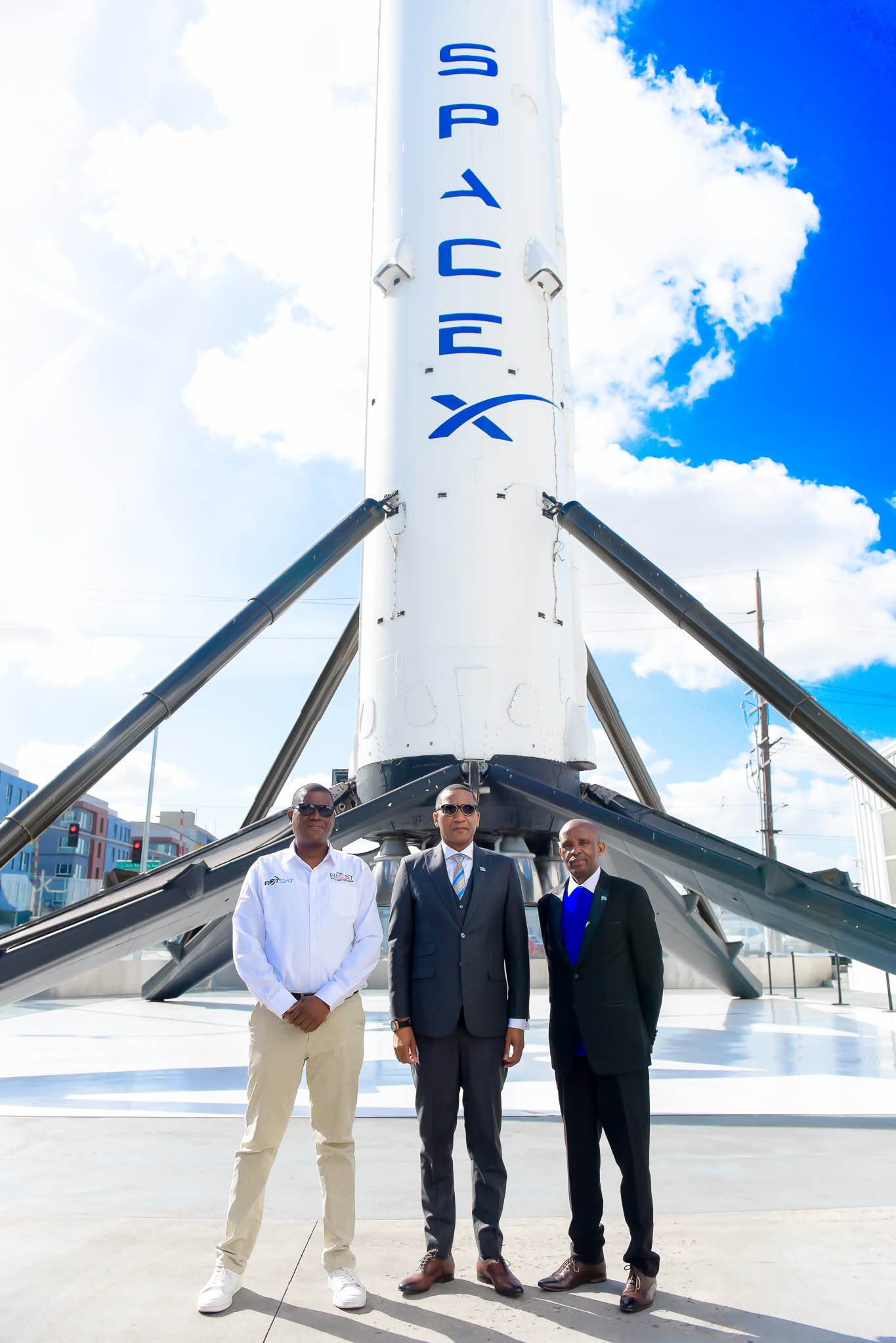
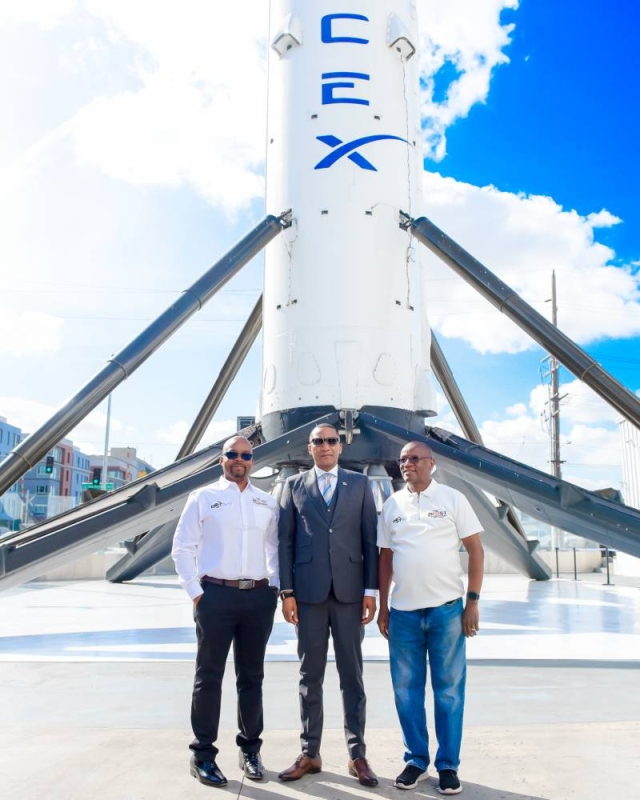
On 15 March 2025, Botswana crossed a symbolic line in its scientific history. BOTSAT-1, the country’s first satellite, was launched aboard SpaceX’s Transporter-13 mission from Vandenberg Space Force Base in the United States. The spacecraft was developed by the Botswana International University of Science and Technology with partners and funded by the Ministry of Communications and Innovation.
A satellite launch makes for dramatic pictures, but the rocket is only the beginning of the story. The harder question is what Botswana does with the capability that follows: the data, engineering skills, research partnerships and institutions needed to turn an object in orbit into useful knowledge on the ground.
The short version
Think of BOTSAT-1 less as a trophy in space and more as a new national measuring instrument. Its value will come from the questions Botswana asks with it and the decisions that better Earth-observation data can support.
A satellite is a sensor, not a destination
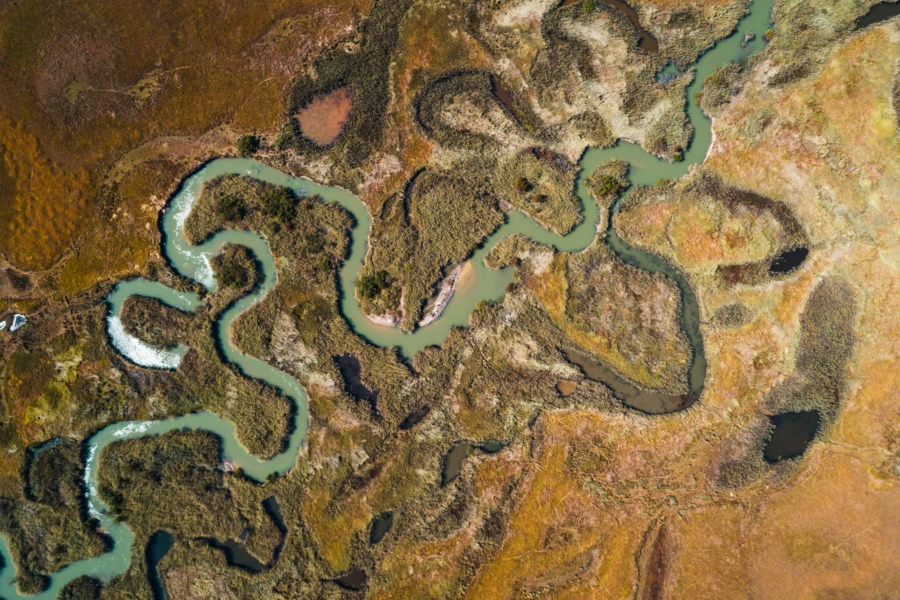
BOTSAT-1 is intended to support areas including precision farming, land-use monitoring, natural-disaster early warning and climate-change tracking. Those applications all begin with the same basic idea: observing the Earth repeatedly from above can reveal patterns that are difficult to see from a road, a field or a single monitoring station.
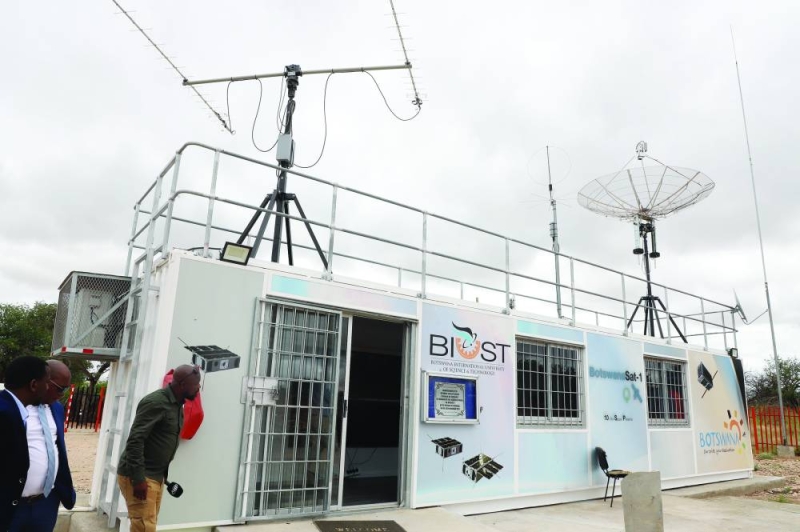
The familiar comparison is a medical scan. A doctor does not value a scanner because it is an impressive machine; the value lies in the information the scan reveals and how that information changes a decision. A satellite is similar. Images and measurements only become useful when they are calibrated, analysed, compared over time and connected to real questions.
What could Botswana actually do with the data?
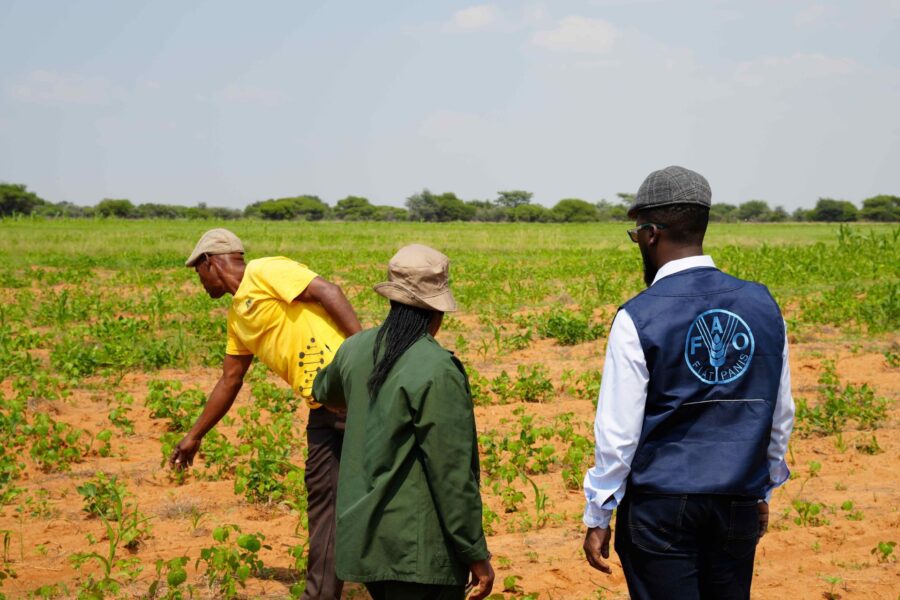
For agriculture, repeated observations can help researchers and planners examine crop conditions, vegetation stress and changes in land use. For disaster management, Earth-observation data can contribute to understanding floods, drought conditions and wildfire risk. For environmental science, long-term observations can help show how landscapes and ecosystems are changing.
None of those outcomes happens automatically. Satellite data has to be combined with field observations, local expertise and reliable models. A dry-looking patch in an image can mean different things depending on soil, rainfall, vegetation and season. The science lies in connecting the pixels to reality.
The bigger asset may be human capability
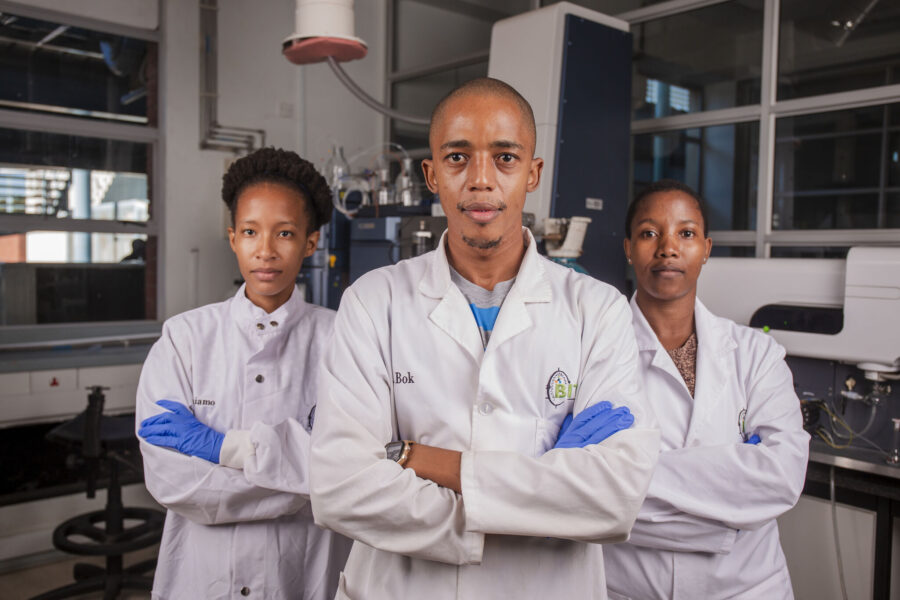
A national satellite programme also creates a reason to build expertise in electronics, communications, software, remote sensing, geospatial analysis and systems engineering. That matters beyond the satellite itself. The same skills can be used in telecommunications, mining, environmental monitoring, agriculture, software and other technology-intensive industries.
This is why the most consequential measure of BOTSAT-1 may not be how long it remains in orbit. It may be how many students, engineers, scientists and organisations gain the ability to design, operate and use space-based systems because the programme existed.
From national milestone to national infrastructure
Botswana now has the opportunity to treat space capability as part of a wider research infrastructure. That means thinking about data access, storage, analysis platforms, university programmes, government use cases, partnerships and continuity beyond a single mission.

A useful question for every proposed application is simple: what decision will become better because this data exists? If that answer is clear, satellite science can move from spectacle to public value.
- Which Botswana institutions will routinely use BOTSAT-1 data?
- How will researchers and students gain access to the data?
- Which national problems will receive dedicated Earth-observation products?
- What skills and systems should be built before the next mission?
What happens next
BOTSAT-1 establishes a beginning, not an endpoint. Botswana’s next challenge is to turn the mission into a repeatable capability: people who can build, interpret and apply space technology; institutions that can collaborate; and data products that solve specific national problems.
The most interesting chapter therefore begins after launch. The question is no longer whether Botswana can put a satellite into orbit. It is what Botswana can learn—and build—because it did.
Sources & further reading
- BIUST — BOTSAT-1 informationOfficial institutional source