



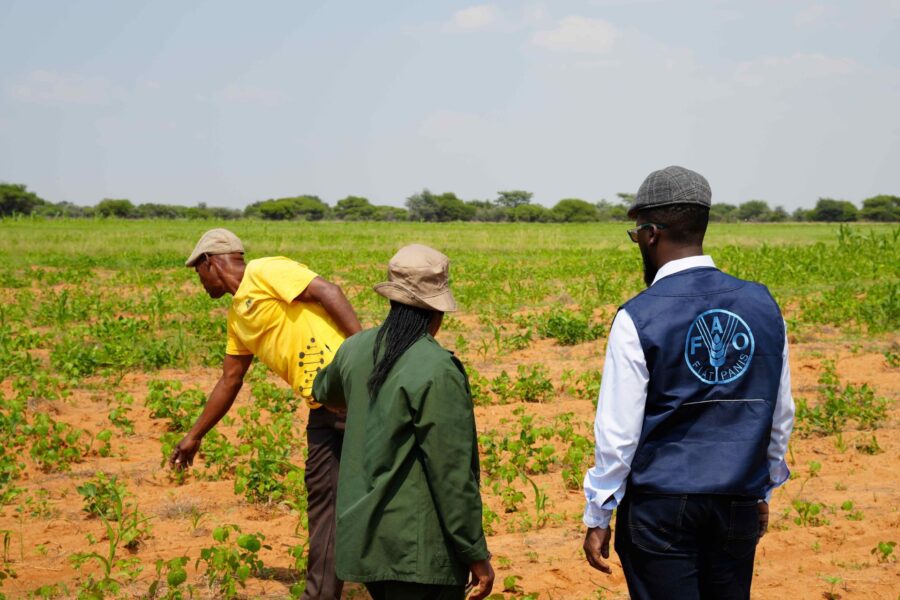
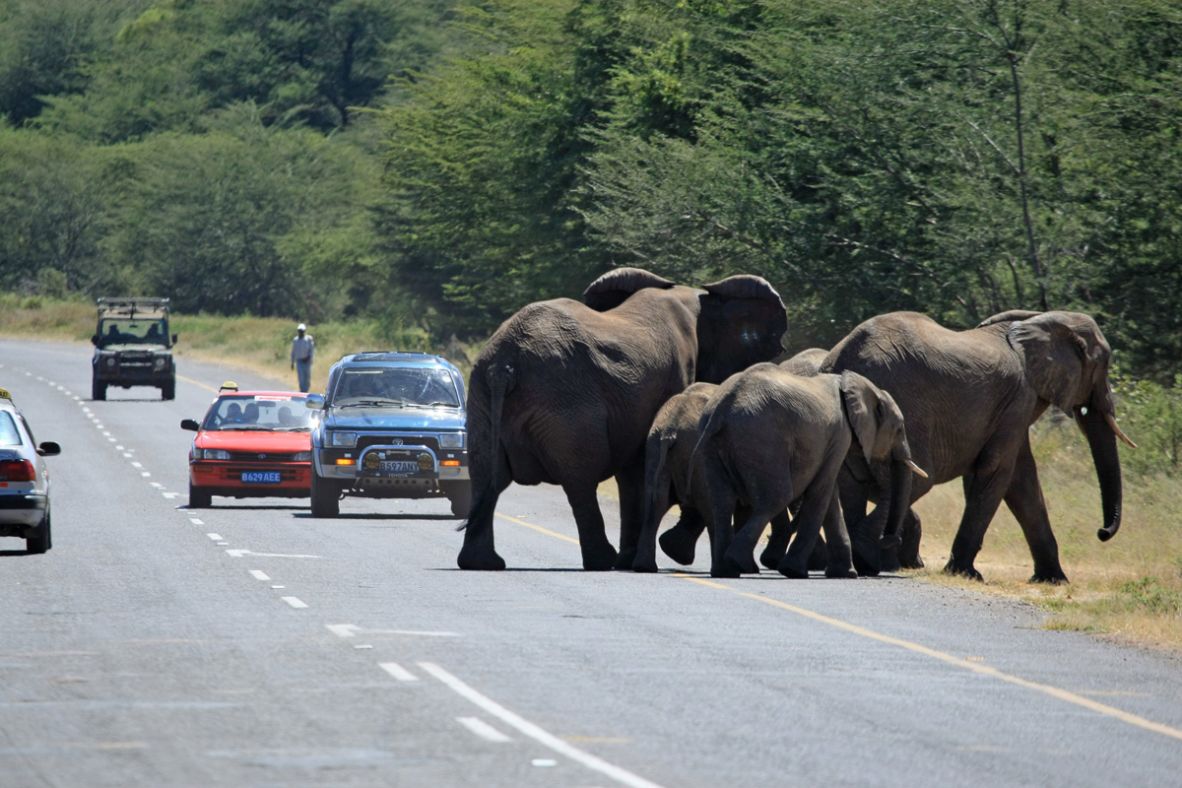
An elephant crossing a floodplain is a conservation success story. The same elephant entering a farmer's field can become an economic shock. Both statements can be true at the same time.
That tension is central to wildlife policy in northern Botswana. Conservation protects species and landscapes that carry ecological, cultural and tourism value, while communities living closest to wildlife may also bear costs through damaged crops, livestock losses, restrictions on resource use and personal risk.
The short version
Wildlife conservation becomes more durable when the people who live with wildlife can see fair, tangible benefits and have meaningful influence over the rules. Ecology tells us what species need; economics and social research help explain what coexistence requires from people.
Conservation has costs as well as benefits
Tourism can create national income and employment, and healthy wildlife populations have ecological value that extends far beyond tourism. But those benefits are not automatically distributed to the households most exposed to wildlife.
This is the basic economic problem behind many human-wildlife conflicts: the benefits of conservation may be shared broadly while some costs are concentrated locally. If a household repeatedly loses crops or livestock, a national argument about tourism revenue may feel distant from the immediate loss.
Attitudes are part of the conservation system
Research involving Prof Patricia Mogomotsi and colleagues examined community attitudes toward wildlife in the Okavango Delta using data from 221 randomly selected households. The study found low participation in anti-poaching activities and argued that negative interactions and limited community involvement can weaken support for wildlife conservation.
The point is not that communities are inherently for or against conservation. Attitudes respond to experience, institutions, incentives and whether people believe the rules recognise their livelihoods.
Think of conservation as a long-term contract
A useful analogy is a contract in which one side is asked to carry obligations while benefits are uncertain. Even if the overall project is valuable, that arrangement becomes difficult to sustain.
Conservation policies therefore have to answer practical questions: Who pays when wildlife causes damage? Who receives tourism benefits? Who participates in decisions? What legal uses of natural resources are available? How quickly are losses recognised and compensated? These are economic and institutional questions as much as ecological ones.
Community participation is not a decorative extra
Another study listed in Mogomotsi's research record examined factors influencing community participation in wildlife conservation. Such work points toward a broader principle: local participation needs to affect real decisions rather than serving only as consultation after major choices have already been made.
Communities also differ. A policy that works in one village may not transfer neatly to another with different livelihoods, wildlife pressures, land arrangements or tourism opportunities.
Coexistence needs better accounting
Traditional economic accounting can easily capture a tourism receipt. It is harder to measure anxiety about walking at night, time spent guarding crops, lost livestock, restricted access or cultural relationships to land and wildlife.
Better conservation policy requires a fuller ledger—one that recognises both the value wildlife creates and the costs of living alongside it. That does not mean every conflict has a simple monetary solution. It means decisions should begin with a realistic picture of who gains, who loses and who has a voice.
What happens next
Botswana's wildlife is a national and global asset, but conservation ultimately takes place in lived landscapes rather than on policy documents. Long-term sustainability depends on ecological science and on institutions that communities regard as legitimate and fair.
The economics of living with wildlife is therefore really the economics of coexistence: designing incentives, benefits and responsibilities so that protecting wildlife and sustaining human livelihoods are not treated as separate projects.
Sources & further reading
- Mogomotsi et al. — An Analysis of Communities' Attitudes Toward WildlifeStudy of 221 households in the Okavango Delta and implications for conservation.
- Mogomotsi et al. — Factors influencing community participation in wildlife conservationHuman Dimensions of Wildlife.
- ORI — Prof Patricia Kefilwe MogomotsiResearch profile and areas.