


The Okavango Delta is often described through superlatives: vast, beautiful, remote, rich in wildlife. For science, however, its importance comes from something more demanding. It is a system in which water, plants, animals, soils, climate, livelihoods, tourism and policy are continuously interacting.
That makes the Delta a natural laboratory—but not in the sense of a controlled room full of glassware. It is closer to trying to understand a living city whose roads move every season, whose neighbourhoods appear and disappear with water, and whose residents include people, fish, microbes, elephants and plants.
The short version
The Okavango is scientifically valuable because no single discipline can explain it. Understanding the Delta requires ecology, hydrology, chemistry, climate science, economics and social research to work together.
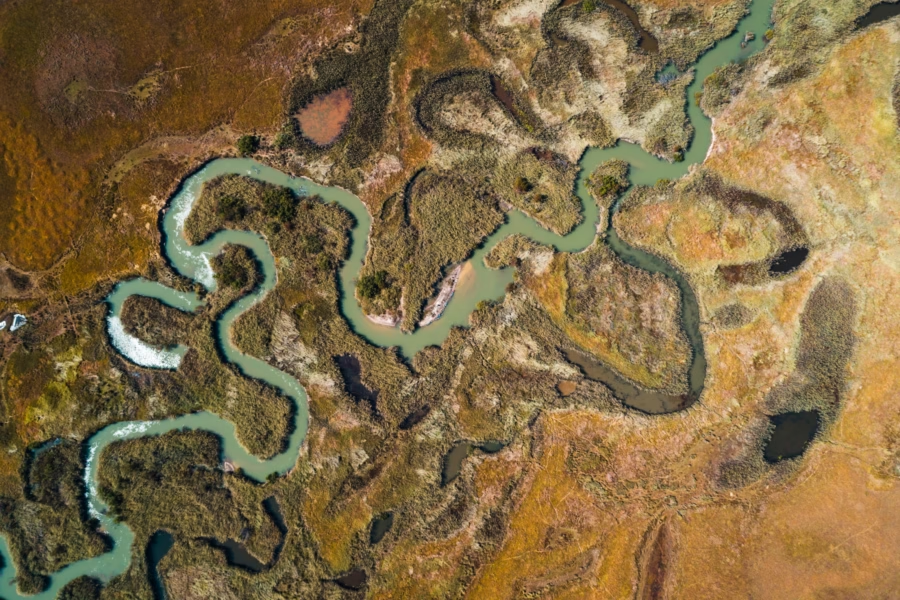
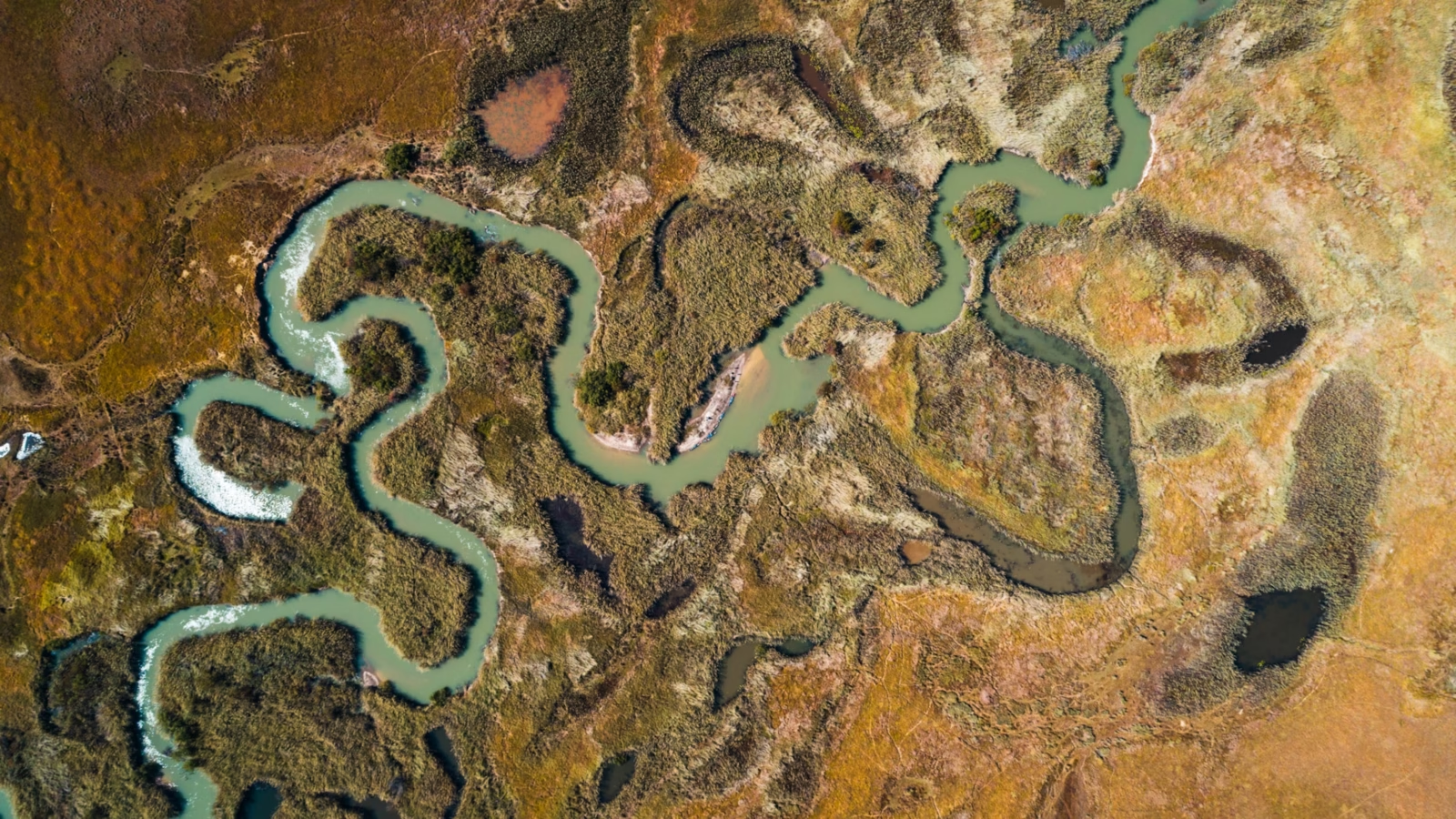
Water writes the map
The Delta is a wetland inside a semi-arid region. Its floodwaters arrive through a river system whose headwaters lie far beyond Botswana's borders, and the timing and extent of flooding shape habitats across the landscape.
A change in water is therefore not just a hydrology story. It can alter where plants grow, where animals feed, how nutrients move, which routes communities can use and where tourism activities are possible. ORI's Water Resources Management programme explicitly studies the feedbacks between social, economic and environmental factors affecting water sustainability.
The boundaries between disciplines disappear
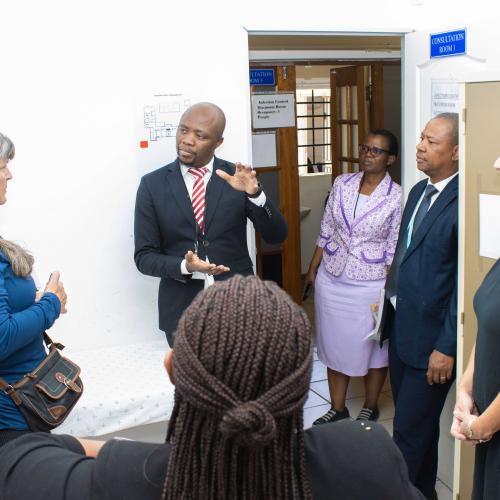
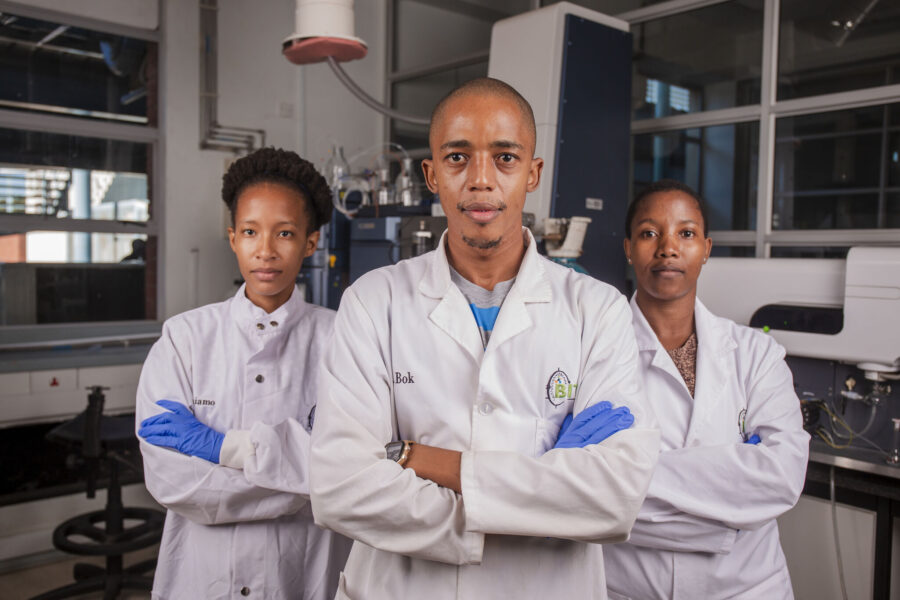
At the Okavango Research Institute in Maun, research programmes include ecosystem dynamics, ecosystem services, sustainable tourism, climate change and water-resource management. Its ecosystem work ranges across wetland ecology, fisheries, rangelands, herbivores, landscapes and carnivores, while collaborating with hydrologists, geochemists, social scientists and development specialists.
That interdisciplinarity is not an academic fashion. It reflects the Delta itself. If researchers want to understand a wildlife population, they may need to understand flooding. To understand flooding, they may need climate and hydrology. To understand conservation outcomes, they may need economics, governance and community livelihoods.
A laboratory where people live
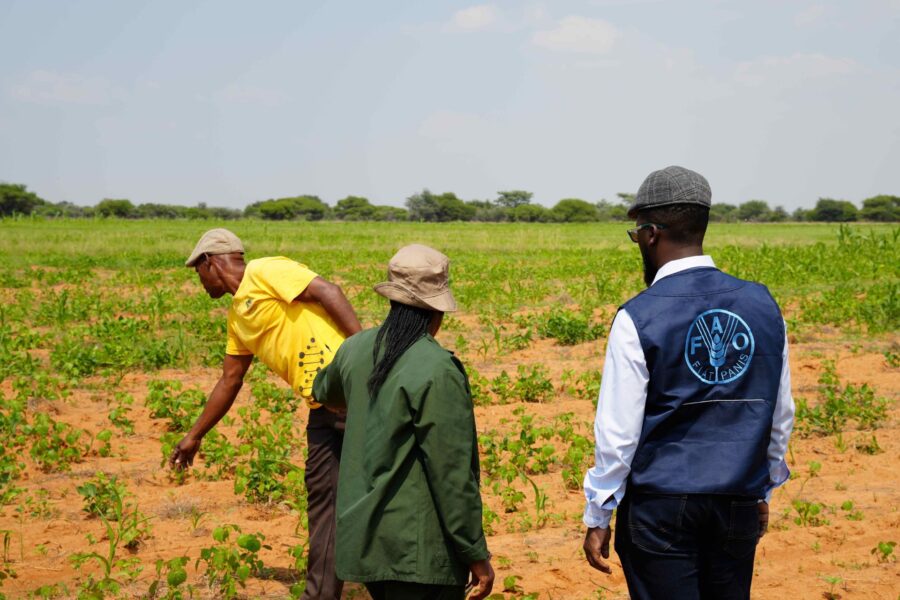
The phrase 'living laboratory' can become misleading if it makes the Delta sound empty of people. Northern Botswana contains communities with deep cultural and economic relationships to the landscape. Research therefore has to consider how environmental management affects livelihoods, tourism, agriculture and access to natural resources.
This is one reason ORI combines natural and social science. Scientific knowledge is more useful when it helps explain not only what is happening in an ecosystem, but how different management choices distribute risks and benefits.
Why long-term research matters
A single season can be unusual. A single flood can be high or low. A single wildlife count can be affected by temporary conditions. Long-term observation helps researchers distinguish a short-lived event from a persistent change.
Imagine judging Botswana's economy from one afternoon of transactions. The snapshot would be real, but it would tell only a fraction of the story. Environmental research faces the same problem. Repeated observations across years allow scientists to see cycles, trends and relationships that one field trip cannot reveal.
What happens next
The Okavango's scientific importance lies in connection. Water connects Angola to Botswana. Floods connect climate to vegetation. Wildlife connects ecology to livelihoods and tourism. Research connects observation to policy.
The more those connections are understood, the better Botswana can make decisions about a system that is simultaneously an ecosystem, a home, an economic resource and a globally important wetland.
Sources & further reading
- Okavango Research Institute — ResearchORI research programmes and interdisciplinary scope.
- ORI — Ecosystem DynamicsEcology disciplines and collaborative approach.
- ORI — Water Resources ManagementWater sustainability research programme.